Media Release
For Immediate Release
Resilience and Preparedness for a New Era of Shocks
Rethinking ASEAN’s Commodities Future amid Energy, Trade, and Climate Risks
Singapore, Thursday, 7 May 2026: From oil market volatility to intensifying climate pressures, Southeast Asia is confronting a new era of overlapping crises, placing resilience and preparedness at the centre of its response.
Speakers at the 13th Singapore Dialogue on Sustainable World Resources (SWR) emphasised that geopolitical tensions, shifting trade flows, and intensifying climate pressures are no longer separate challenges, but part of a single, interconnected landscape shaping business decisions across the region.
Hosted by the Singapore Institute of International Affairs (SIIA) at One Farrer Hotel, the 13th SWR brought together over 230 participants from government, business, finance, civil society, and academia.
This year’s Dialogue, themed “Resilient Commodities: Innovation and New Markets”, comes amid a hotter and drier year across Southeast Asia, raising the risk of fires and transboundary haze, alongside continued volatility in global energy supplies linked to tensions in the Middle East.
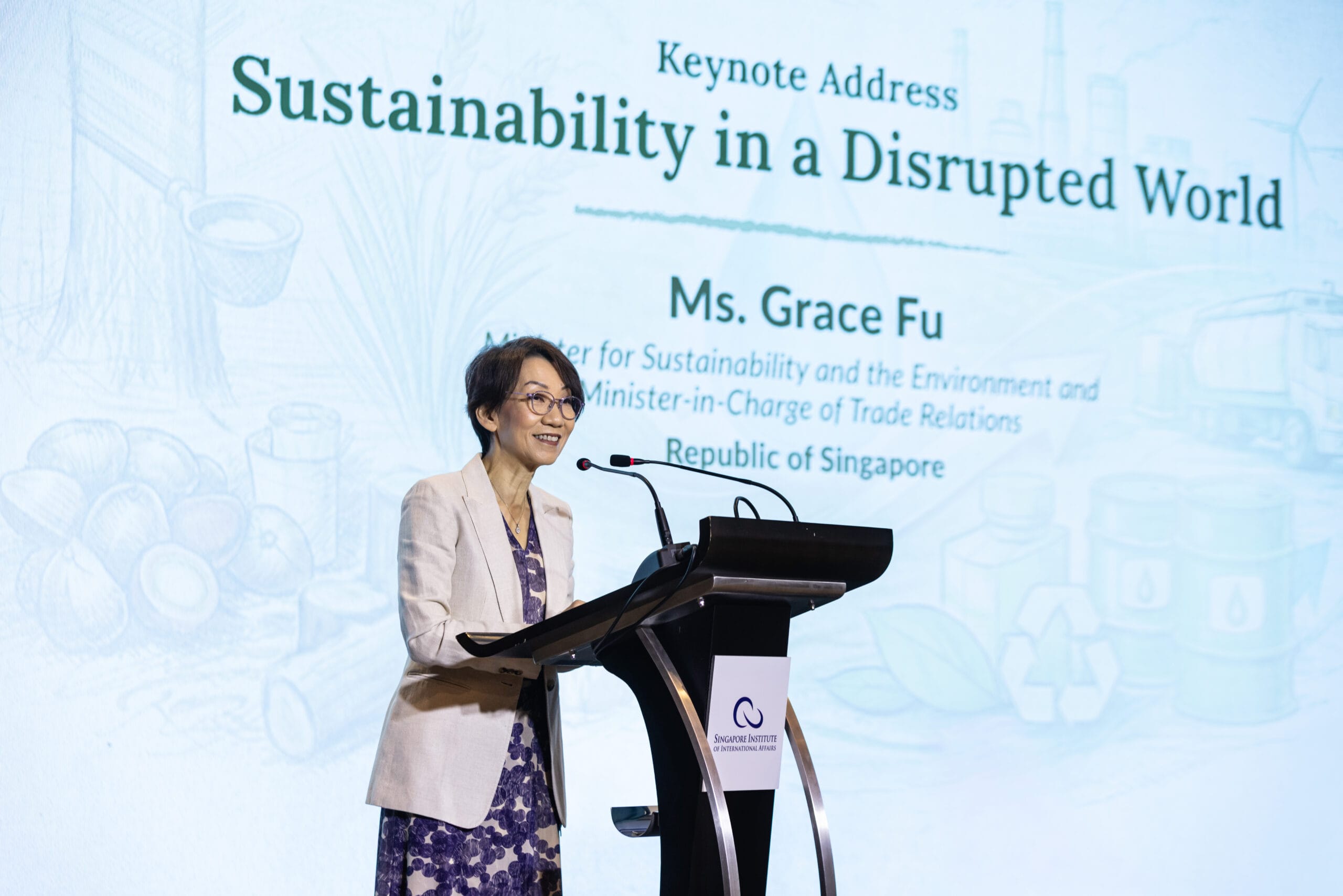
Delivering the keynote address, Ms. Grace Fu, Singapore’s Minister for Sustainability and the Environment and Minister-in-charge of Trade Relations, highlighted that the current geopolitical tensions underscore the importance of sustainability in enabling long-term resilience and growth, through stronger supply chains, greater economic stability and action on climate change.
Ms Fu said that “Prioritising climate adaptation and sustainable land use practices will support productive yields, compounding over time, nurturing more rewarding jobs and stable income, and stabilising food prices for people in the region.” She added that “Some of the challenges we face in the months ahead and foresee in the years to come will feed into Singapore’s ASEAN Chairmanship next year. We see this as a sustained, collective endeavour to build momentum and enhance resilience.”
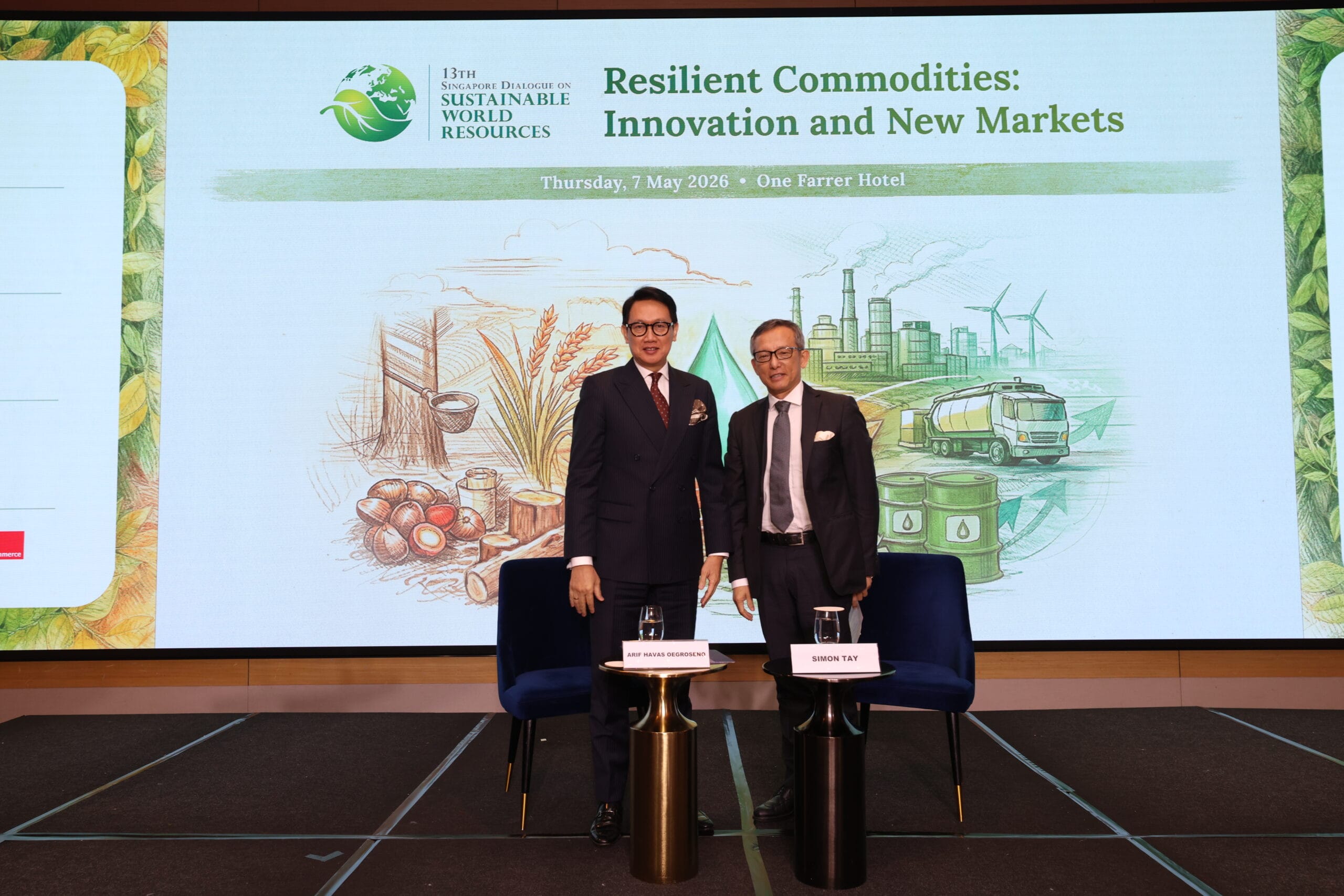
In a keynote dialogue on “Reinventing ‘Sustainable’ in Commodities”, H.E. Arif Havas Oegroseno, Vice Minister for Foreign Affairs, Republic of Indonesia, emphasised the importance of law-based, equitable, fair, inclusive, and consistently applied sustainability standards.
The European Union’s regulation on deforestation-free products, popularly known as the EUDR, will take effect at the end of this year. But there are concerns that the new rules may inadvertently become a trade barrier.
“We are at a critical juncture. Sustainability today is no longer only about environmental protection. It is also about market access, financial flows, and development pathways. If implemented equitably, it can strengthen cooperation,” H.E. Arif Havas Oegroseno said. “The implementation of sustainability, social justice and economic development must be comprehensive, indivisible, non-selective, and certainly not a cherry-picking exercise.”
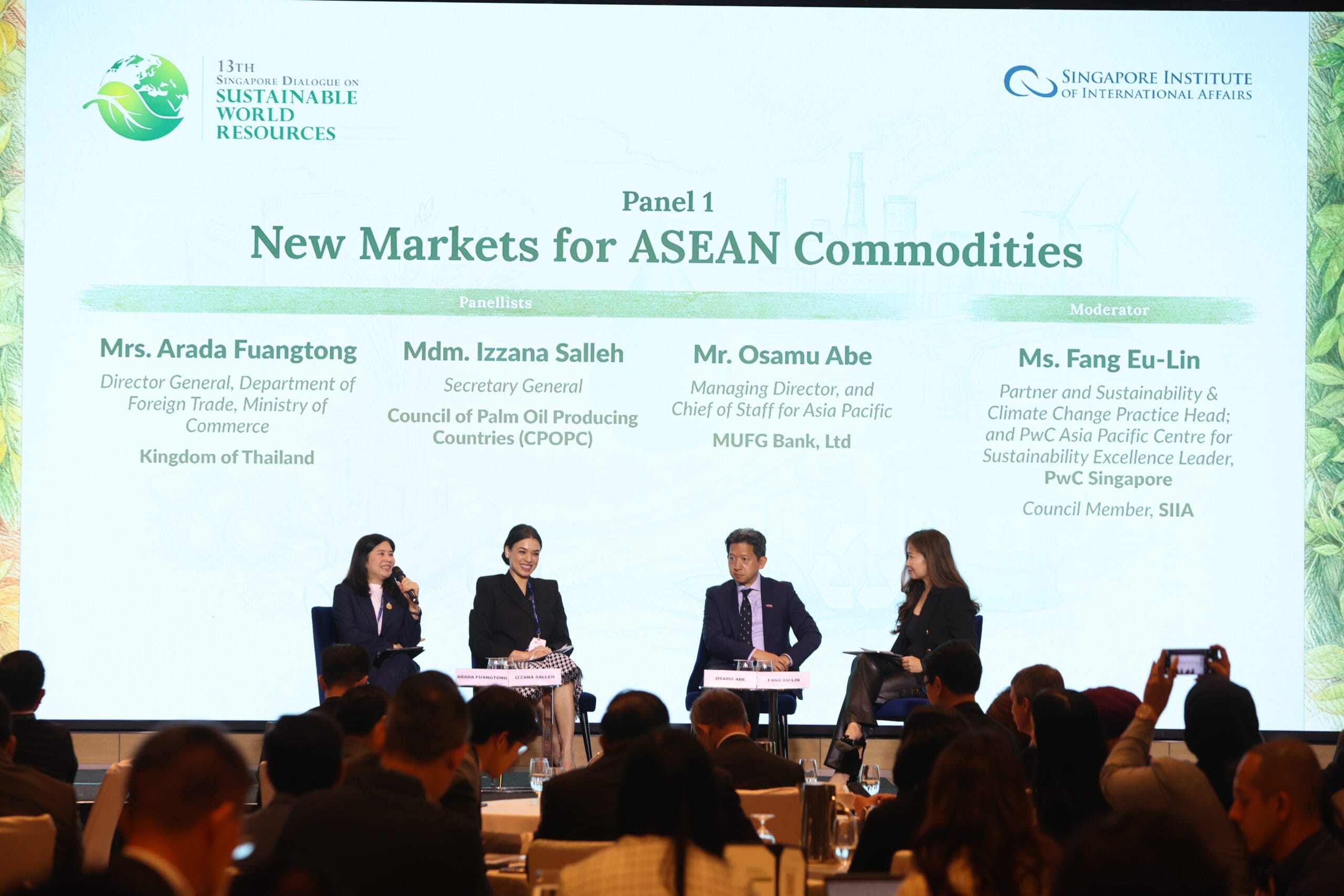
Mrs. Arada Fuangtong, Director General, Department of Foreign Trade, Ministry of Commerce, Kingdom of Thailand, highlighted the need for ASEAN countries to work together in strengthening resilience and food security amid current global disruptions.
“World Changes, ASEAN Adapts. Amidst geopolitical shifts, technological game-changers and stricter sustainability standards, ASEAN’s agricultural sector faces a defining moment. This is our opportunity to strengthen regional cooperation,” Mrs Arada Fuangtong said. “By integrating innovation and sustainability, we can transform these challenges into a competitive advantage, securing ASEAN’s position as a global leader in the future of commodities.”
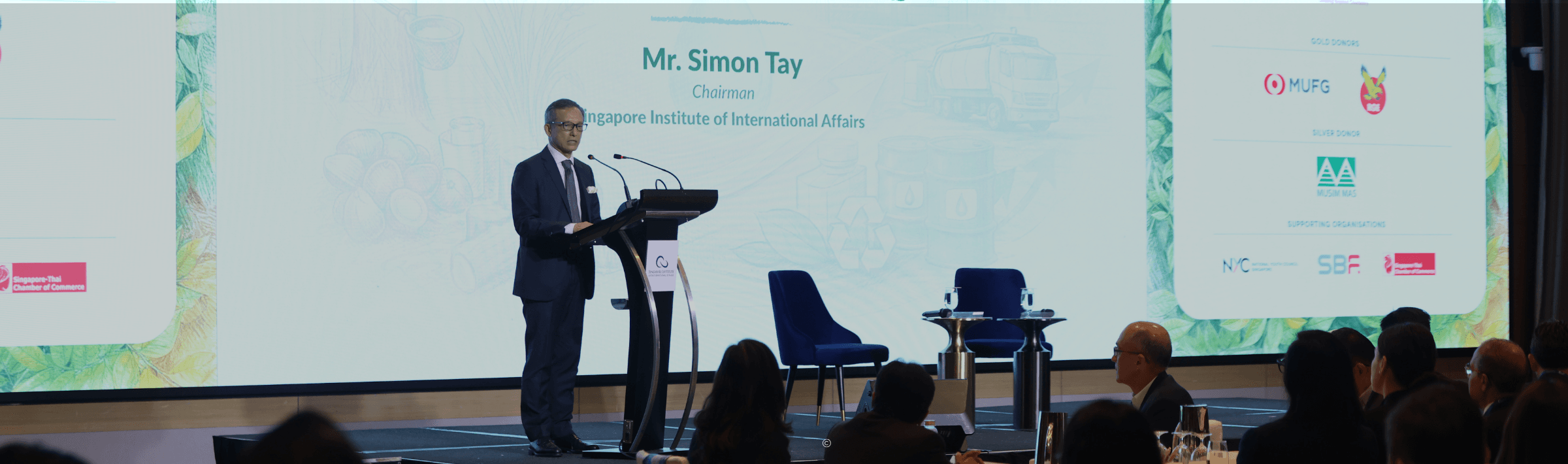
Mr. Simon Tay, Chairman of the SIIA, which convenes the Dialogue now in its 13th year, noted that when the SWR first began over a decade ago, sustainability was far less prominent in regional conversations. Since then, Singapore has placed sustainability at the centre of its national strategies. “This reflects a simple reality: as a small country, sustainability is a necessity and requires regional and global cooperation for survival and growth.”
He added that platforms like the SWR are important in bringing together diverse perspectives to address shared challenges. “When the next shock hits — on our markets, our energy systems, or from climate change — will we be ready to adapt, or will we be forced to react?” Mr Tay said.
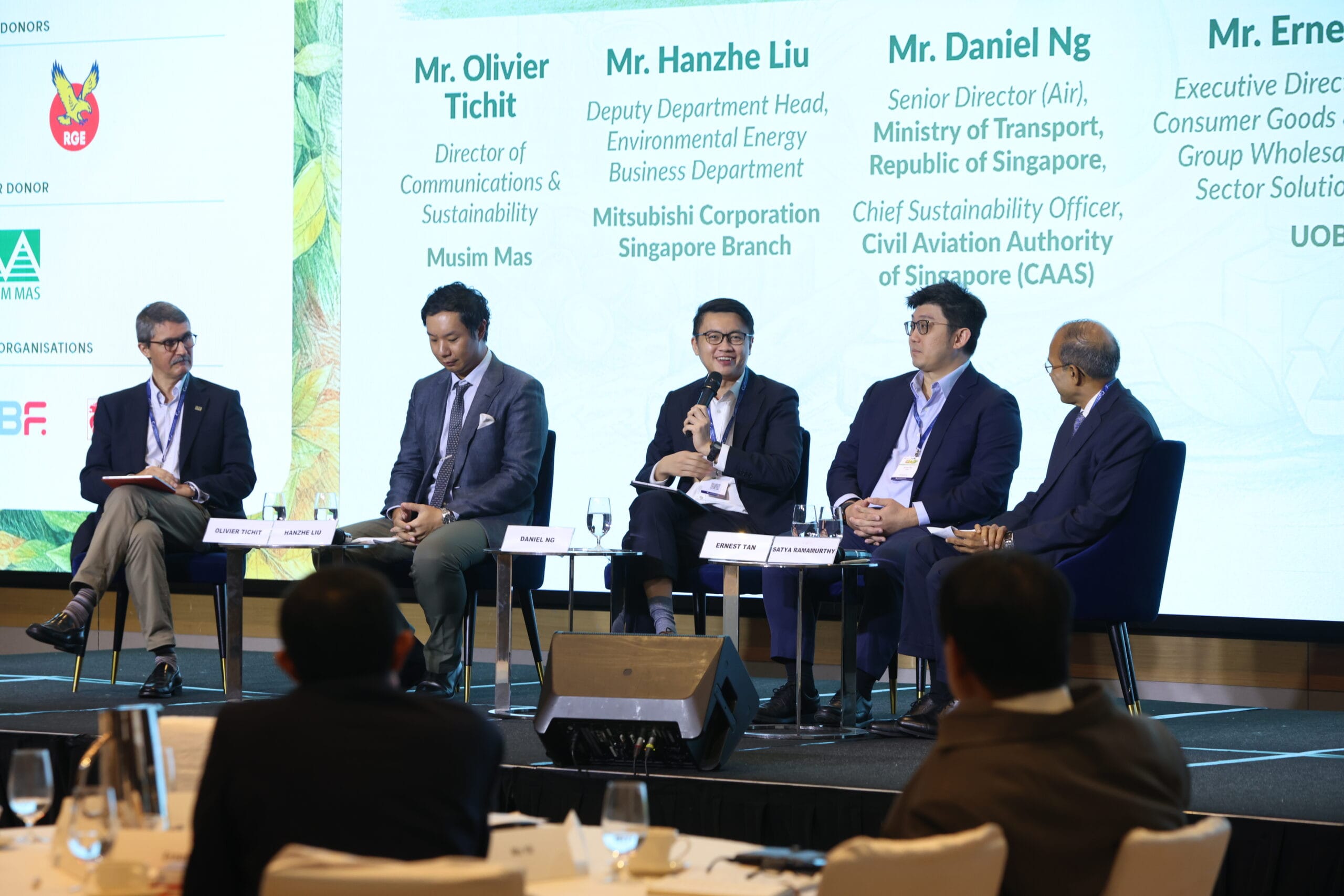
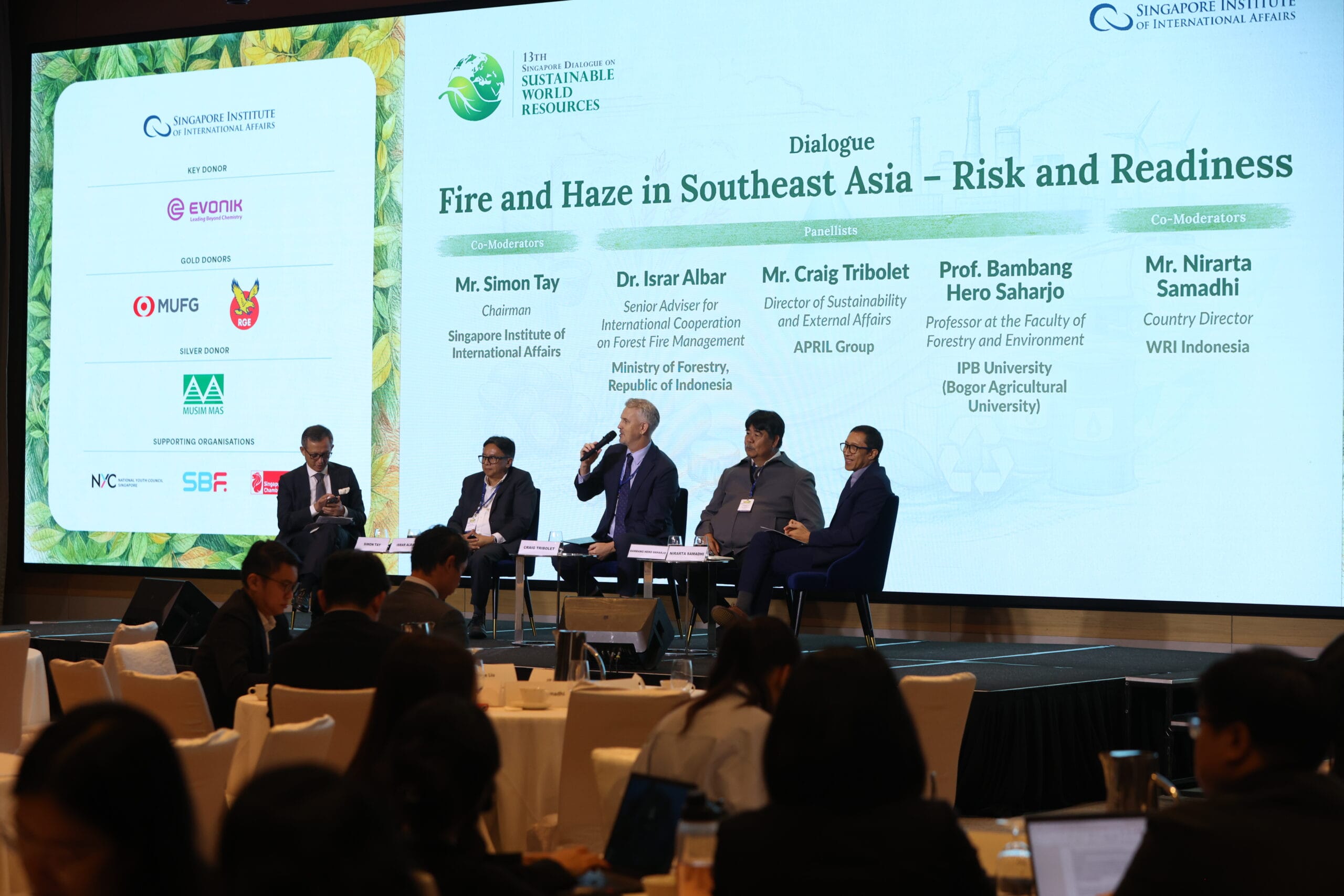
Discussions at the 13th SWR reflected the pressures facing the region. Across two panels, “New Markets for ASEAN Commodities” and “Innovation, Risk, and Strategy for Bioenergy”, speakers discussed the current issues affecting food and commodity markets, the scalability of bioenergy and biofuels like sustainable aviation fuel (SAF), and financing solutions for the agribusiness and bioenergy industries. A special dialogue on “Fire and Haze in Southeast Asia – Risk and Readiness” explored the heightened fire risk in 2026 arising from El Niño and the need for effective land management in ASEAN.
The 13th SWR was made possible with the support of the following organisations:
- Key donor: Evonik
- Gold donor: MUFG Bank and RGE (Royal Golden Eagle)
- Silver donor: Musim Mas
For media enquiries, please contact the Singapore Institute of International Affairs at media@siiaonline.org.